2026-08-21 · Roberto Morales
Mold Risks After Summer Floods In Coral Gables Homes
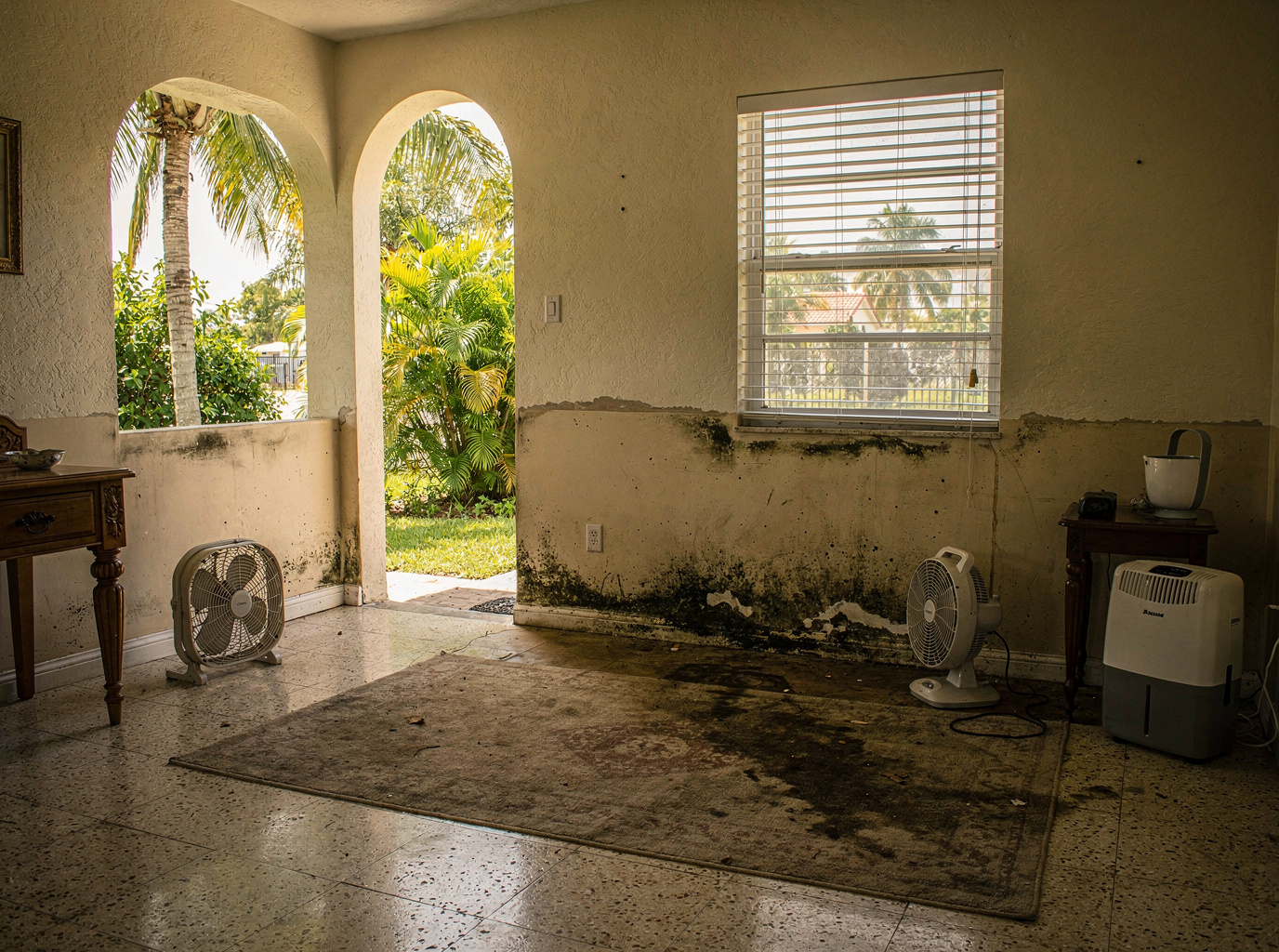
After summer floods hit Coral Gables homes, mold can begin growing within 24-48 hours when standing water and elevated humidity are not removed quickly in Miami-Dade County's tropical monsoon climate.
Summer Flood Patterns and Humidity in Coral Gables
Coral Gables experiences intense summer rains that often overwhelm older drainage systems around tree-lined streets and low-lying blocks near the University of Miami. These events leave water trapped under slab foundations and in crawl spaces common to Mediterranean-style homes built in the 1920s through 1960s. High humidity lingers for days afterward, pushing indoor moisture levels above 60 percent even after visible water recedes. Nearby areas such as Hialeah and Miami Beach face similar patterns, but Coral Gables' mature landscaping and narrow lots slow evaporation further. Homeowners who delay extraction see moisture wick into plaster walls and hardwood floors, creating hidden reservoirs that feed mold colonies.
Timeline for Mold Growth After Flooding
Moisture left in porous materials supports visible mold within two to three days when daytime temperatures stay in the mid-80s. By day five, colonies often spread behind baseboards and into HVAC returns if dehumidification is skipped. In Coral Gables' older homes, lath-and-plaster walls hold water longer than modern drywall, extending the window for hidden growth to seven to ten days. Once established, spores travel through shared walls to adjacent rooms and even neighboring properties on tight lots. Prompt structural drying within the first 48 hours interrupts this cycle before colonies reach air-handling systems.
High-Risk Areas Inside Coral Gables Homes
Kitchens and bathrooms with original tile often trap water beneath cabinets and along shower pans. Attics above second floors collect condensation from roof leaks during prolonged rains, soaking insulation that sits directly on ceiling joists. Finished lower levels in split-level homes built near Ponce de Leon Boulevard frequently hide water under carpet pads and in subfloor seams. Garages converted to living space lack proper vapor barriers, allowing ground moisture to rise after street flooding. These locations require targeted inspection rather than whole-house assumptions because moisture gradients vary sharply from room to room.
Practical Steps for Initial Assessment
Begin by documenting water lines on walls with a moisture meter before any demolition. Remove wet carpet and padding within 24 hours to prevent backing from feeding mold. Run commercial air movers and dehumidifiers continuously until readings drop below 15 percent moisture content on wood. Check behind appliances and inside HVAC closets, where restricted airflow keeps surfaces damp longest. Homeowners who follow these steps reduce the chance of needing full mold remediation later. For readers dealing with coastal surge events, the guide on steps after storm surge flooding in Miami Beach offers additional context on salt-water complications that differ from freshwater flooding common inland.
When Professional Help Becomes Necessary
If mold covers more than 10 square feet or appears inside HVAC ducts, DIY methods rarely reach all affected cavities. Professional teams use negative-air machines and HEPA filtration to contain spores during removal. In Coral Gables homes with historic plaster, crews must match original materials to avoid structural compromise. Cost factors include the extent of hidden moisture, number of affected rooms, and whether contents require separate cleaning. Readers comparing regional pricing can review current data in the article on water damage restoration costs in South Florida. Papa Water Damage maintains regular hours Monday through Friday 8am to 6pm and Saturday 9am to 2pm for assessments in Coral Gables and surrounding Miami-Dade neighborhoods.